Compare Top Local Operators
100% Free

Planning a trip to Sri Lanka?

Share your travel plans and get free itineraries and quotes from multiple trusted local operators.

Itineraries tailored to your travel plans Compare quotes from multiple local operators Connect directly with trusted local operators
Get Free Quotes

10k+ travelers have submitted inquiries

Sri Lanka - Travel Guide

4.7

Must-see attractions, popular activities, and featured local operators

South Asia

Sri Lanka, often dubbed the "Pearl of the Indian Ocean," is a captivating island nation that offers a rich tapestry of experiences for travelers. Its landscape is a lush, vivid mosaic of golden beaches, rolling tea plantations, and dense rainforests, punctuated by ancient ruins and vibrant wildlife. The country's cultural heritage is a fascinating blend of Sinhalese, Tamil, and colonial influences, visible in its majestic ancient cities like Anuradhapura and Polonnaruwa, the iconic rock fortress of Sigiriya, and the colonial architecture of Galle. Sri Lanka's spiritual diversity adds to its allure, with sacred Buddhist sites such as the Temple of the Tooth in Kandy drawing pilgrims from around the world. Culinary adventurers will revel in the island's flavorful cuisine, characterized by its use of rich spices, coconut, and fresh seafood. Whether it's surfing the waves of Arugam Bay, embarking on a safari in Yala National Park, or exploring the bustling streets of Colombo, Sri Lanka promises an enchanting journey filled with discovery at every turn.
Attractions

0 main attractions

View on map

No attractions yet

Attraction information for this destination is coming soon.

Language

Sri Lanka is a linguistically diverse country, with Sinhala and Tamil serving as its official languages. Sinhala, spoken by the majority Sinhalese population, is the predominant language across most of the island, while Tamil is primarily spoken by the Tamil and Muslim communities, especially in the northern and eastern regions. English holds a special position as a link language, widely used in government, business, and education, reflecting the country's colonial history under British rule. As a result, English proficiency is relatively high, especially in urban areas and among the younger population, facilitating communication with international travelers. Additionally, due to its growing tourism industry and the linguistic diversity of its visitors, there's a growing acceptance and understanding of other major global languages in tourist hotspots, though English remains the primary language for international communication.

Best Time to Visit

The best time to visit Sri Lanka largely depends on the region due to its two distinct monsoon seasons. For the west and south coasts, as well as the Hill Country, the optimal period is from December to March, when conditions are dry and temperatures are pleasant. Conversely, the east coast and northern regions are best visited from May to September, benefiting from their own dry season while the rest of the island experiences monsoon rains. This unique climate pattern allows travelers the flexibility to explore different parts of Sri Lanka almost all year round, with each season offering its own charm and array of activities. However, for those looking to enjoy island-wide travel with minimal disruption from rain, the transitional months of April and September to November, despite occasional showers, provide a good balance with fewer tourists and competitive prices.

Month
Weather Overview
January
January offers some of the best weather conditions across Sri Lanka, with low rainfall, moderate humidity, and average temperatures ranging from 22°C to 31°C. It's ideal for exploring both the beaches and the interior.
February
This month continues the dry and pleasant conditions with similar temperatures to January, making it perfect for outdoor activities and beach visits across most of the island.
March
March sees a slight increase in temperatures (up to 33°C) and humidity, especially towards the end of the month. The entire island still enjoys relatively dry weather, making it a good time for travel.
April
April marks the start of higher humidity and the onset of occasional showers, particularly in the southwest. Temperatures can peak at 34°C. The New Year's celebrations in mid-April are a cultural highlight.
May
The southwest monsoon begins, bringing heavy rainfall to the west and south coasts and the Hill Country. The north and east remain drier and warmer, with temperatures around 28°C to 35°C.
June
Monsoon rains continue in the southwest, while the north and east enjoy dry, sunny weather, making them ideal destinations. Temperatures across the island average between 25°C and 30°C.
July
July sees the continuation of the southwest monsoon, though showers may start to decrease towards the end of the month. The north and east coast remain favorable for visits, with warm and dry conditions.
August
The weather is similar to July, with the southwest monsoon gradually easing. The north and east are still dry, with August being one of the best months for the beaches in these regions.
September
Variable weather can be expected as the southwest monsoon ends. The entire island experiences higher humidity, and sporadic showers are possible, especially in the southwest. Temperatures range from 25°C to 30°C.
October
The inter-monsoonal period brings increased rainfall across the island, with unpredictable showers and thunderstorms. Despite this, temperatures remain warm, making it a lush, scenic time for travel.
November
Rainfall continues in November, especially in the northeast, as the monsoon season begins there. The southwest starts to dry out towards the end of the month. Temperatures across Sri Lanka range from 22°C to 30°C.
December
The northeast monsoon affects the north and east with heavy rains, while the southwest enjoys dry, sunny weather ideal for beach holidays and exploring the Hill Country. Temperatures vary from 22°C to 31°C, with cooler evenings in the highlands.

Festivals

Month:4
Festival:Sinhala and Tamil New Year

Celebrated in mid-April, this marks the end of the harvest season and the beginning of the New Year according to the lunar calendar. The festival is characterized by vibrant rituals, traditional games, the preparation of special foods like Kiribath (milk rice), and the exchange of gifts. Travelers can experience a warm, familial atmosphere, witness colorful street decorations, and participate in community events that showcase Sri Lankan culture and hospitality.

Month:5
Festival:Vesak

Vesak commemorates the birth, enlightenment, and death of Buddha, making it the most significant Buddhist festival in Sri Lanka. The country transforms with illuminated lanterns, pandals (themed religious structures), and the distribution of free meals (dansalas) to the public. Visitors can immerse themselves in the spiritual ceremonies at temples, enjoy the beautiful lantern displays, and experience the serene, communal spirit of giving and peace.

Month:7
Festival:Kandy Esala Perahera

Held in Kandy, this grand festival celebrates the Sacred Tooth Relic of Buddha housed in the Temple of the Tooth. It features a spectacular procession with traditional dancers, drummers, and elaborately decorated elephants. This event offers travelers the chance to witness one of Asia's most magnificent cultural spectacles, observing centuries-old traditions, costumes, and performances that are a feast for the senses.

Month:11
Festival:Deepavali

Known as the Festival of Lights, Deepavali is celebrated by the Hindu Tamil community in Sri Lanka. Homes and public spaces are adorned with oil lamps, and there are fireworks, sharing of sweets, and religious ceremonies. Visitors during Deepavali can enjoy the festive atmosphere, colorful lights, and cultural richness of Hindu traditions in Sri Lanka.

Month:6
Festival:Poson Festival

Marking the arrival of Buddhism in Sri Lanka in the 3rd century BC, Poson is especially celebrated in Anuradhapura and Mihintale with religious activities and pilgrimages. The country is lit with lanterns and decorated with pandals depicting Buddhist stories. Travelers can join the pilgrims visiting sacred sites, partake in meditation and prayers, and absorb the peaceful ambiance that pervades the country during Poson.

Cuisine

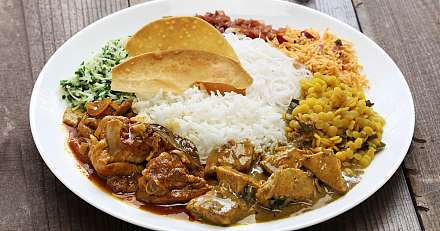
Rice and Curry

Rice and Curry

The quintessential Sri Lankan meal consisting of rice served with various curries (vegetables, meat, or fish), often flavored with coconut milk and a blend of spices. This dish represents the island's agricultural heritage and spice trade history.

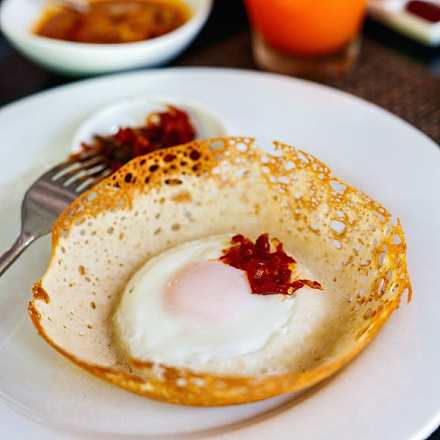
Hoppers

Hoppers

A bowl-shaped pancake made from fermented rice flour and coconut milk batter, often served with a fried egg in the center and seen as a staple breakfast dish or snack, reflecting the island's coconut and rice cultivation.

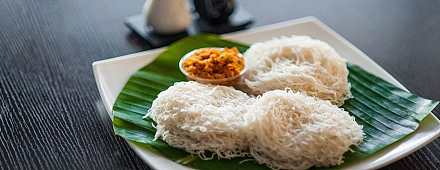
String Hoppers

String Hoppers

Steamed rice flour noodles formed into a web-like structure, typically served with curry. This dish is a testament to the culinary ingenuity of Sri Lanka, turning simple ingredients into a delightful meal.

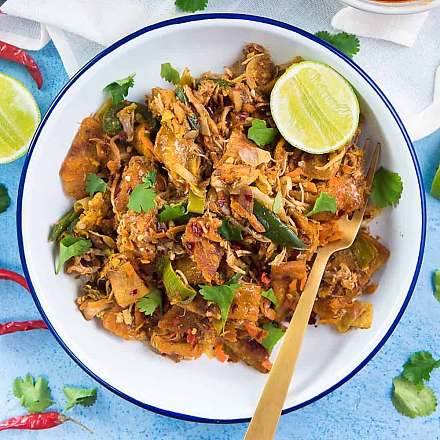
Kottu Roti

Kottu Roti

A street food favorite, made by stir-frying chopped flatbread (roti) with vegetables, egg, and/or meat, and spices. It's a creative use of leftover roti, showcasing the island's resourcefulness and vibrant street food culture.

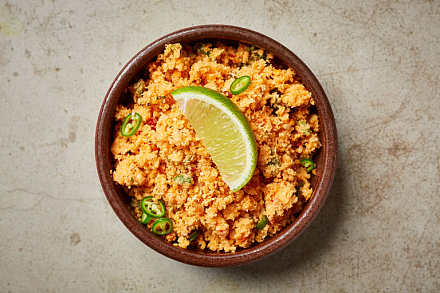
Pol Sambol

Pol Sambol

A spicy coconut relish made with grated coconut, red onions, chili peppers, lime juice, and Maldive fish. It is a testament to the island's love for coconut and seafood, serving as a flavorful accompaniment to many dishes.

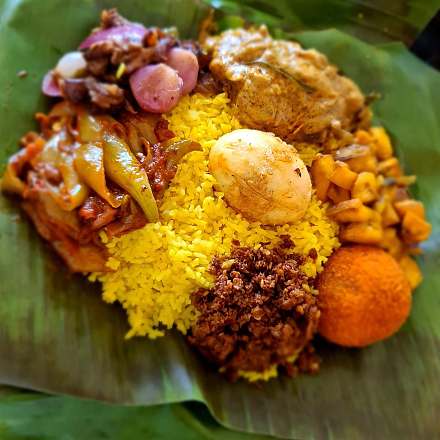
Lamprais

Lamprais

A Dutch-Burgher influenced dish that includes rice boiled in stock with a special curry, accompanied by frikkadels (meatballs), all wrapped in a banana leaf and baked. This dish encapsulates the colonial history of Sri Lanka, blending local and Dutch flavors.

Watalappan

Watalappan

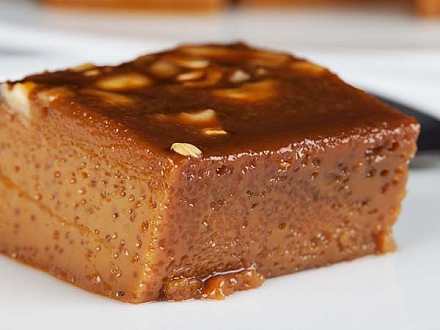
A rich dessert pudding made from coconut milk, jaggery (palm sugar), cashew nuts, and spices, including cardamom and nutmeg, showcasing the island's spice trade heritage and Muslim culinary influences.

Kiribath

Kiribath

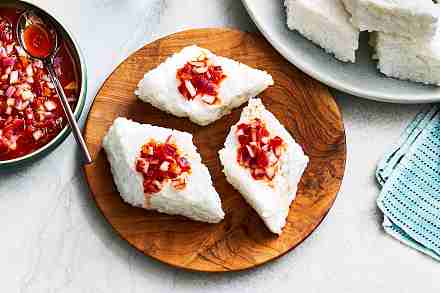
Rice cooked in coconut milk, often cut into diamonds and served with lunu miris, a spicy onion relish. It's a traditional festive dish symbolizing prosperity and is commonly prepared for the Sinhala and Tamil New Year.

Ceylon Tea

Ceylon Tea

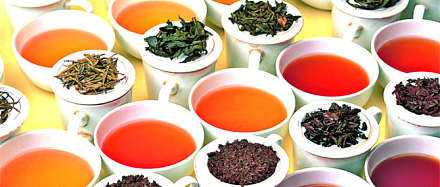
World-renowned tea, which can be enjoyed plain or with milk. The cultivation of tea has shaped the island's landscape and economy since the British colonial era, making it a significant cultural and export product.

Toddy and Arrack

Toddy and Arrack

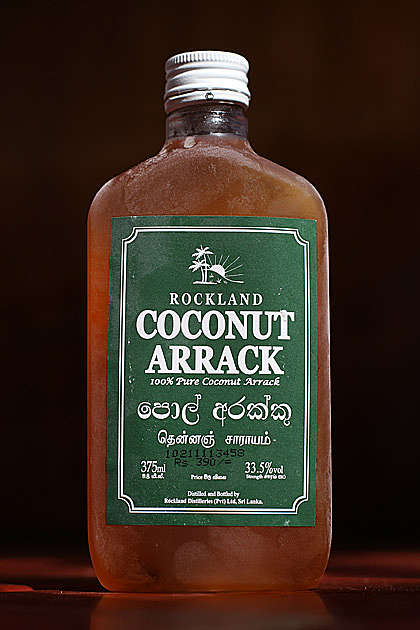
Traditional alcoholic beverages made from the sap of coconut flowers; toddy being the mildly fermented sap, and arrack the distilled version. These beverages reflect the island's coconut cultivation and local traditions of liquor production.

Packing

When visiting Sri Lanka, it's essential to pack light, breathable clothing due to its generally warm and humid climate. Include long-sleeved tops and long pants to protect against the sun and mosquitoes, especially in the evenings or when visiting cultural sites. A sturdy pair of walking shoes is a must for exploring the diverse terrains, from ancient cities to hiking trails. Don’t forget a high-SPF sunscreen, sunglasses, and a wide-brimmed hat for sun protection. With sudden rain showers common, especially if you're traveling during the monsoon seasons, a lightweight rain jacket or a compact umbrella should be in your bag. For beach visits, pack swimwear, a quick-dry towel, and flip-flops. Finally, consider bringing a basic first-aid kit, including any necessary medications, and a reusable water bottle to stay hydrated. Adapting your packing list to the specific regions you plan to visit and the time of year will enhance your travel experience in Sri Lanka.

Currency

The official currency of Sri Lanka is the Sri Lankan Rupee (LKR), which comes in denominations of coins and banknotes. Coins are available in denominations of 1, 2, 5, and 10 rupees, while banknotes are issued in denominations ranging from 10 to 5000 rupees. ATMs are widely available in cities and towns across Sri Lanka, providing a convenient way to withdraw cash with international debit or credit cards. However, it's advisable to carry some cash, especially when traveling to rural areas where ATM access might be limited. Credit cards are accepted in most hotels, restaurants, and shops in urban and tourist areas, with Visa and MasterCard being the most widely accepted. For exchanging currency, banks and authorized money exchange offices offer the best rates. It's recommended to avoid exchanging large sums of money at the airport or hotels due to less favorable rates. Always ensure to exchange currency at reputable places and retain any receipts for currency exchange transactions.

Transport

Sri Lanka's transportation network caters to travelers with a range of options, connecting its landscapes from the bustling cities to serene countryside. The country is served by two major international airports: Bandaranaike International Airport in Colombo, the primary gateway for most travelers, and Mattala Rajapaksa International Airport in the south, which handles a smaller volume of international flights. Within the country, visitors can choose from a variety of transportation modes. The railway system offers scenic journeys, especially notable are the routes connecting Colombo with the highlands, providing breathtaking views. Buses, both government and private, run extensively across the island, offering an economical way to travel, though they can be crowded. For more comfort and flexibility, taxis and ride-sharing services like PickMe and Uber are available in major cities. Tuk-tuks are ubiquitous for short distances; agreeing on a fare in advance or ensuring the meter is used is advisable. Renting a car with a driver is another popular option, offering convenience for exploring at one's own pace. Understanding the pros and cons of each transportation mode and planning accordingly can significantly enhance the travel experience in Sri Lanka.

Emergency

Travelers to Sri Lanka should be mindful of several cultural taboos to respect local customs and ensure a harmonious visit. It is considered disrespectful to touch or pat someone on the head, as the head is believed to be the most sacred part of the body. Public displays of affection, such as kissing and hugging, are frowned upon, especially in rural areas. When visiting temples or religious sites, dress modestly, covering shoulders and legs, and remove shoes before entering. It's also important to never turn your back to a Buddha statue when taking photos as a sign of respect. Additionally, the use of the left hand for eating or handing over items is considered impolite, as it is traditionally associated with unclean tasks. In case of emergency, travelers can dial 119 to reach the police in Sri Lanka. For ambulance and fire services, the number to dial is 110. It's advisable to have these numbers saved and accessible throughout your stay in Sri Lanka to ensure a safe and enjoyable trip.

Power Sockets

In Sri Lanka, the standard voltage is 230V with a frequency of 50Hz, which is common across many countries. Travelers will encounter three types of power sockets: types D, G, and M. Type D is the old British plug with three round pins in a triangular pattern, while Type G is the rectangular blade plug that is also used in the United Kingdom. Type M is similar to D but with larger pins.

Tours

View all tours

No featured routes yet

Route recommendations for this destination are coming soon.

Tour operators

View all operators

No partner operators yet

Partner operators for this destination have not joined yet, stay tuned.